Unveiling the Secrets of Painting Flowers: A Comprehensive Guide to Mastering Floral Elegance
- Aug 12, 2022
- 3 min read
Updated: Jan 13, 2025
Painting flowers is an age-old art form that continues to inspire both skilled artists and newcomers alike. The vibrant colors and intricate details of blossoms offer a canvas of opportunity. Whether you wish to create a serene landscape filled with daisies or a bold arrangement of roses, this guide provides clear steps and practical tips to help you capture floral beauty on canvas.
Understanding the Essence of Floral Painting
Floral painting is more than just replicating nature. It is about channeling emotion through colors, shapes, and composition. Flowers carry meaning: a red rose signifies love, while a sunflower can exude happiness. The challenge lies in translating these sentiments onto your canvas.
Take some time to observe various flowers — from roses to lilles . Note their unique shapes and vibrant hues. By doing this, you begin to appreciate how each flower can tell a different story.
Step-by-Step Guide to Painting Different Types of Flowers
1. Painting a Rose
Roses are often seen as a symbol of grace, yet their intricacies can be challenging to capture. Here’s a straightforward approach to painting them:
Gather Your Materials: Choose high-quality watercolors or oils, a range of brushes, and a sturdy canvas or heavy watercolor paper.
Sketch the Outline: Lightly draw the rose's basic shape. Start from the center, gradually outlining the circular pattern of the petals, paying special attention to their overlapping nature.
Layering Colors: Begin with a light base color, then introduce deeper reds and greens. Statistics show that darker shades add depth, enhancing realism by creating the illusion of shadows.
Add Details: Use a small brush to illustrate the fine details, such as the petal texture and delicate veins. Adding these nuances will fully capture the essence of the rose.

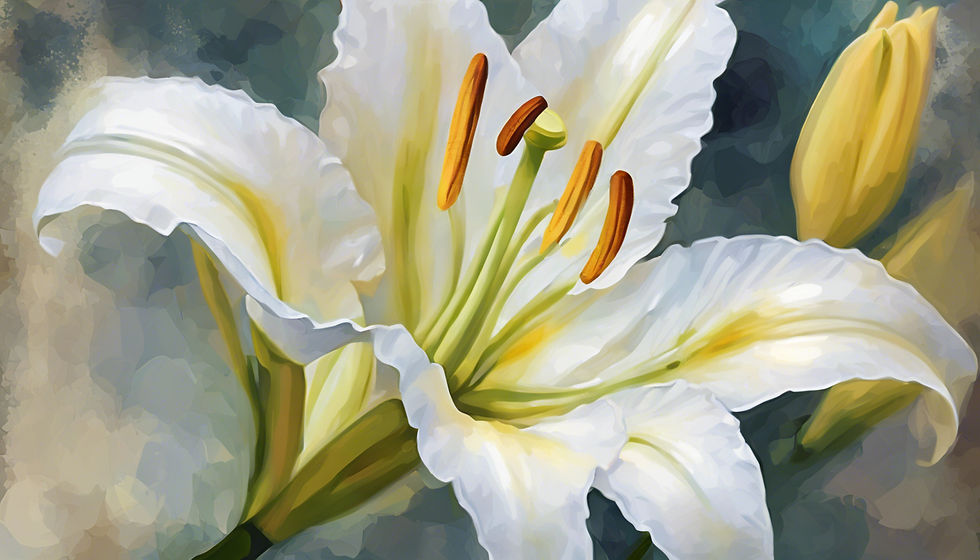
2. Painting a Lily
Lilies are elegant and intricate. Here’s how to paint them effectively:
Outline with Precision: Capture the curves and unique shape of the petals. Lilies often have six petals that can sway dramatically to showcase their beauty.
Color Choices: Common shades for lilies include white, pink, or orange. Start with a light base and gradually mix in darker colors like deep pink or orange for contrast.
Focus on Details: Pay attention to the stamen, and the intricate patterns on the petals. Use a fine brush to depict these elements clearly.
Tips for Capturing Intricate Details and Textures of Blossoms
Observe Real Flowers
Take time to observe real flowers closely. Spend at least an hour each week sketching or photographing different flowers. These observations provide invaluable insights into their natural beauty.
Use a Limited Palette
Limiting your color choices can lead to a more cohesive painting. Studies show that artists using just three to five main colors often create more harmonized works.
Experiment with Brush Techniques
Different flowers require varied approaches. For soft edges, use a round brush; for sharper details, choose a flat brush. Don’t shy away from unique tools like sponges to create fascinating textures.
Pay Attention to Light and Shadow
Understanding how light affects color and shape is vital in floral painting. Shadows should be gradual, while highlights can be stark. A study indicated that appropriate light and shadow detailing can increase the perceived depth of your painting by up to 30%.
Practice Regularly
Regular practice is essential. Set aside dedicated painting sessions weekly, focusing on new techniques or various styles. With consistency, your skills will inevitably improve.
Insights from Renowned Floral Artists
To gain deeper insights, we spoke with artists celebrated for their floral works. Here are some of their thoughts:
Artist 1: Clara Reynolds
Clara emphasizes emotional connection:
"Each stroke reflects how I feel towards the flower. It's about expressing rather than just replicating."
Artist 2: David Li
David highlights the importance of color:
"Color is key. It draws viewers in. Exploring how colors interact can turn a simple flower into a masterpiece."
Artist 3: Marie Thompson
Marie advises embracing imperfections:
"Some of my best works emerged from what I initially saw as mistakes. Flowers are organic; our interpretations should be too."
Embracing Your Floral Painting Journey
Learning to paint flowers is a fulfilling experience that involves keen observation, practice, and a genuine emotional connection. By following the steps detailed in this guide and drawing inspiration from accomplished artists, you can nurture your unique style.
Each flower is a story, waiting for your brush to tell it on canvas. Appreciate the beauty around you and allow your creativity to flourish. Keep practicing and experimenting, and remember to enjoy the artistic process. Happy painting!